
Come and Explore!
Discover the amazing world of soils with images and information from the Dig It! The Secrets of Soil exhibit from the Smithsonian's National Museum of Natural History. This exhibit was on display at the Museum from July 18, 2008, through Jan 10, 2010.
Watch the new curator-led tour of the exhibit to join the Dig It! experience and get inspired by soils!
While the physical exhibition is now closed, the exhibition content will be available on this web site indefinitely and new web content will be added over the coming months including a new soil blog.
New Interactives Online:
Hidden Horizons Puzzle Game >>
Soil Order Explorer >>
Soil Mineral Interactive >>
Where in the World Game>>
Underneath It All Explorer >>
State Soil Interactive >>
Big Picture Game >>
New Videos Online:
Chef's Challenge
>>
Soil: The Secret Ingredient >>
Get Soil Savvy! >>
Matters of Life and Death >>
Educational Materials:
Online Activities, bookmarks, and interactives
To order printed materials and CDs email us
Meet Soil Explorer - Dennis Whigham
Orchid Ecologist, Smithsonian Environmental Research Center
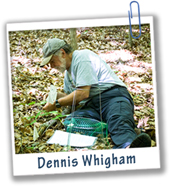
Dennis is an orchid ecologist at the Smithsonian Environmental Research Center (SERC). He studies the many fascinating ways that orchids interact with soils and soil microbes.
Featured Topics
Explore the 12 Soil Orders

Travel around the world and explore the 12 soil orders and the landscapes they support.
Soil Minerals Interactive

Can you tell what is parent rock, rotten rock, and soil? Test your knowledge!
Underneath it All

Dig deep and discover the ways our choices and lifestyles effect soils.
Where in the World?

Play this question and answer game and test your knowledge of exotic soils from around the world.

The Big Picture Game

How well do you know the world beneath your feet? Take our Soil Quiz and find out!
The Chef's Challenge Video

Two top chefs compete to create the best soil recipe from the same secret ingredient.
The Secret Ingredient Video

Medicines, food, fibers, & more . . . celebrate the gifts & pleasures derived from soil.

![[Mail]](_images/mail.gif)
